In brief
The G-model is the longest-built generation of the air-cooled 911: sixteen years in which Porsche kept developing the series. For a purchase, that means a 1974 2.7 and a 1989 Carrera 3.2 are, technically and economically, two different cars. The most important buying question is the same for every variant, and it is not about the engine but about the body. If you check the sheet metal and the history properly, you get one of the most robust classics there is.
The short recommendation: the Carrera 3.2 with the G50 gearbox (model years 1987–1989) is the variant with the best balance of everyday usability, durability and value trend. The 911 SC (1978–1983) is the most honest way into the G-model. We advise you against early 2.7s without a documented engine rebuild.
Variants and production years
- 911 2.7 (1973–1977): entry-level engine, 150–175 hp, K-Jetronic. The cheapest way in, but the greatest technical risk (see Engines).
- Carrera 2.7 MFI (1974–1976): 210 hp with mechanical injection, the direct successor to the 2.7 RS. A rare collector’s car in a price class of its own. Buy it only with access to a specialist.
- Carrera 3.0 (1976–1977): 200 hp, a short production run, low numbers.
- 911 SC (1978–1983): 3.0 litres, 180–204 hp. A robust aluminium block, large numbers, the best parts supply.
- Carrera 3.2 (1984–1989): 231 hp, and from model year 1987 the distinctly more precise G50 gearbox. The most sought-after naturally aspirated variant.
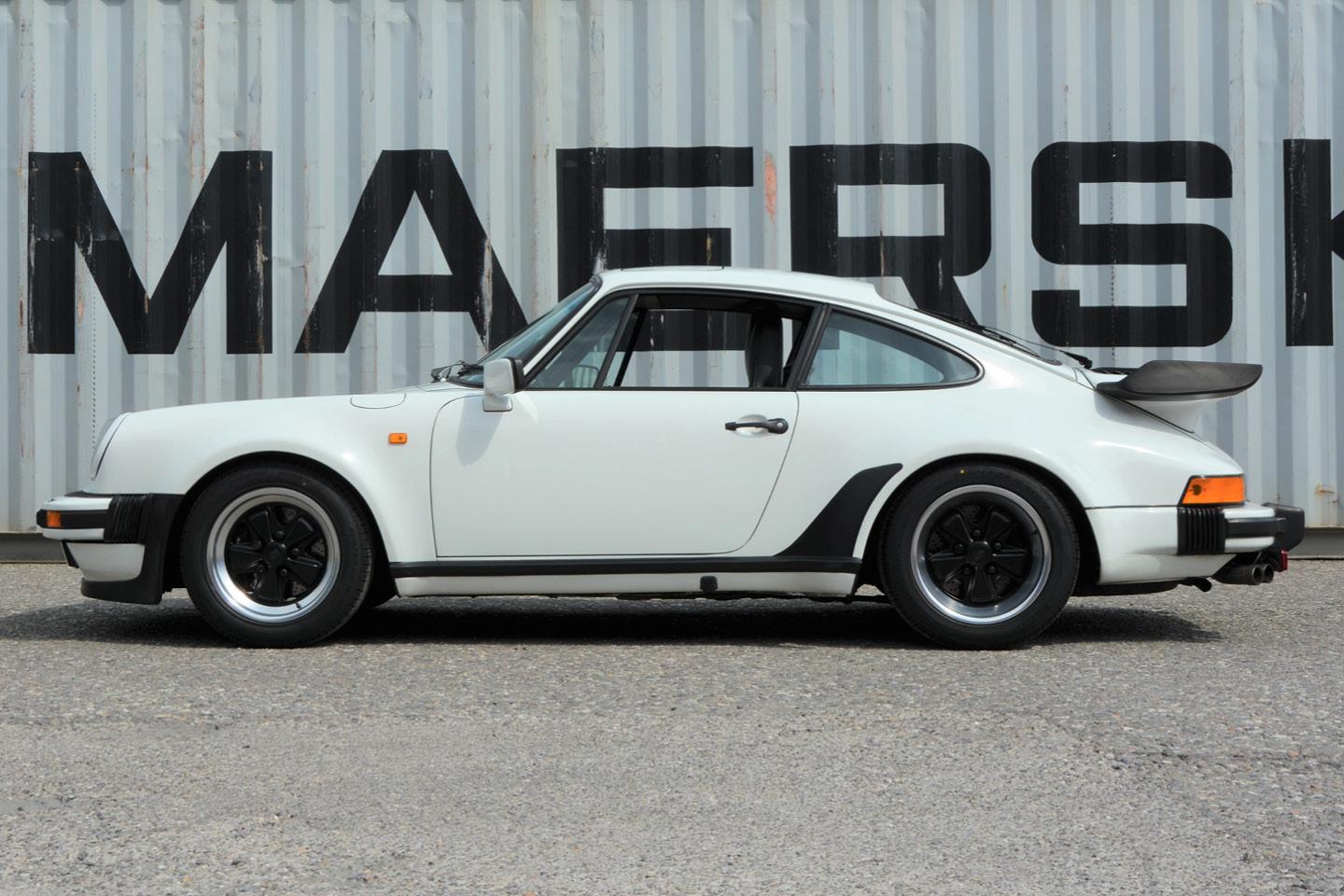
- 930 Turbo (1975–1989): 260–300 hp, the top model of the series. Its own world, technically and in price. The specific buying points are in the Special models section.
- 911 Speedster (1989): only 2'103 cars to close the series, a low windscreen, mostly Turbo-Look. A pure collector’s piece. See Special models.
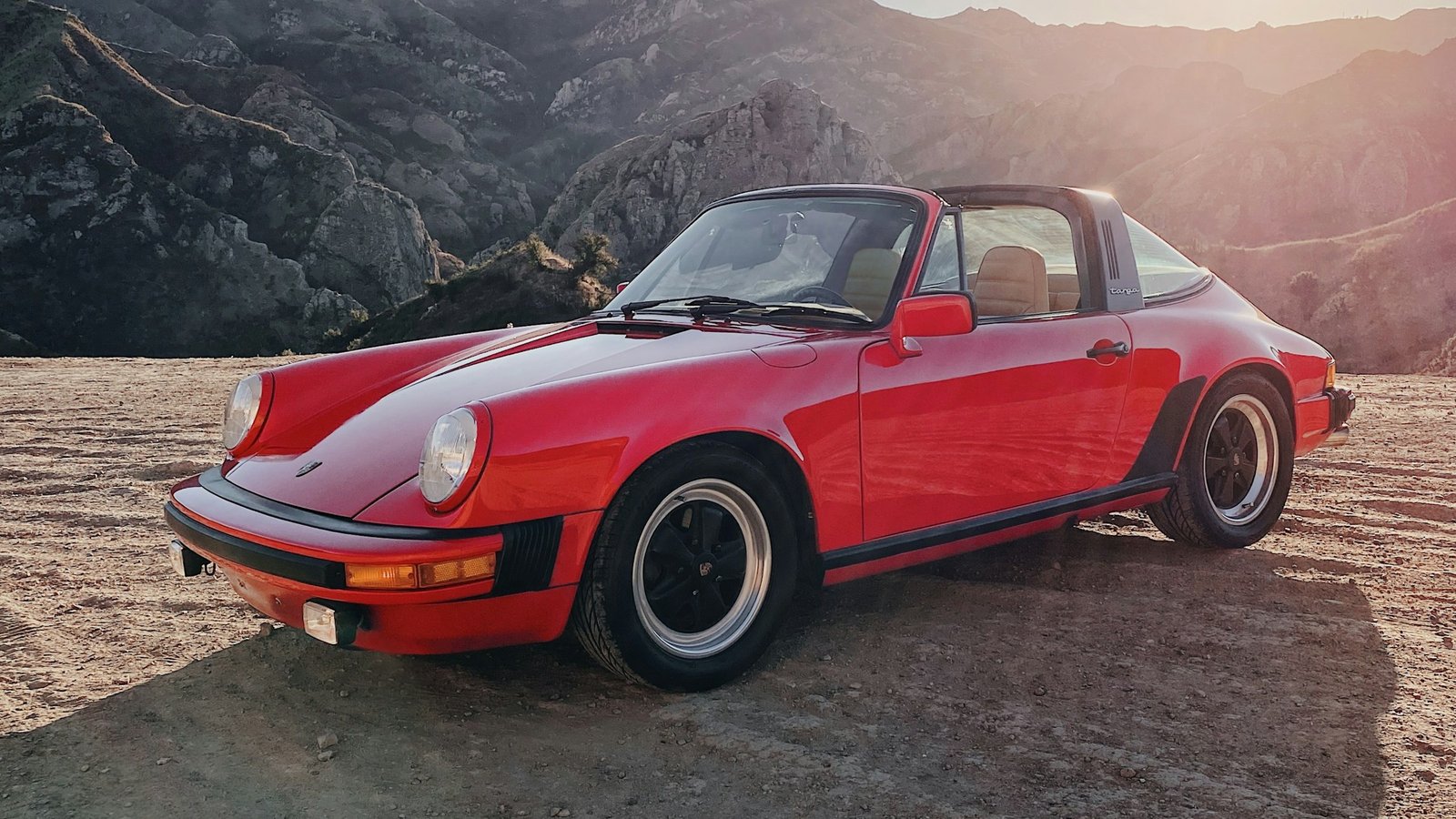
Body styles: Coupé, Targa and, from 1983, the Cabriolet. With the same engine, Coupés sit consistently above the open variants: collectors prefer the stiffer, closed body. The Targa and Cabriolet are the cheaper way into the Carrera 3.2.
Body: this is where the purchase is decided
From model year 1976 Porsche supplied fully galvanised bodies. That makes the G-model better than many contemporaries, but not free of rust. After 35 to 50 years, only the actual condition counts:
- Vertical panel in the engine bay, around the oil filler neck: the spot most often missed. Rust bubbles and bloom are the visible signal; even with intact paint, the cautious push test is worth doing. Sheet metal that crackles means rust under the surface.
- B-pillar, from inside: it rusts unseen from the inner side of the rear wheel housing. Check it with a torch and the trim folded back, not only from outside.
- Rear wheel arches and sills: bubbles, a musty smell in the cabin and fresh underseal are warning signs.
- Where the aluminium bumpers meet the bellows: aluminium does not rust, it corrodes. First pimples under the paint, white powder at the end stage. Replacement is expensive, and neglected joints say a lot about the care of the whole car.
- Window frames: rust on the windscreen and rear-screen frames points to leaking seals or poor screen-replacement work.
A poorly documented “restoration” is more of a risk than a selling point on the G-model. Photos of the work, invoices from specialist workshops and a traceable history are worth more than fresh paint.
Engines: from the problem child to the long-distance runner
- 2.7 with K-Jetronic (1973–1977): the problem child. Thermal trouble pulls the cylinder studs out of the magnesium case. A proper rebuild (including thread inserts, for example Time-Sert) is not a flaw here, it is the precondition. Without a documented rebuild, the purchase is a bet.
- SC 3.0 (1978–1983): a fundamentally solid aluminium block. Two known points: the hydraulic chain tensioners of the early years (conversion to the later Carrera type is usual, and a plus in the invoices) and airboxes split by misfires on a cold start.
- Carrera 3.2 (1984–1989): the most durable drivetrain in the series; mileages over 250'000 km are documented with an unbroken service history. The 3.2 should be largely dry. A heavily oiled engine bay is not a “normal air-cooled car” here, it is deferred maintenance. Check points: valve-cover gaskets, the oil-pressure switch, intake-manifold gaskets, and the Motronic peripherals (lambda sensor, temperature sensor, vacuum lines) if the idle is uneven.
Gearbox: 915 or G50
Up to model year 1986 the G-model shifts with the 915 gearbox: notchy by design, which is normal and not a fault. Gears jumping out or crunching on engagement are not normal: those are repair signals. From model year 1987 came the G50 gearbox with a hydraulic clutch: more precise, easier to shift, and the main reason the late Carrera 3.2s fetch the highest prices. On the test drive, shift through every gear at operating temperature.
Special models: different rules apply
Three variants depart so far from the rest of the G-model that the general recommendations are not enough:
930 Turbo (1975–1989)
The Turbo is not a faster Carrera, it is a different car: in the way it drives, in running costs and in the market.
- 3.0 (1975–1977, 260 hp) is the rare, sought-after original version, in a price class of its own. 3.3 (from 1978, 300 hp, intercooler) is the more common and more everyday choice.
- Gearbox: up to model year 1988, four speeds only. Only the 1989 received the five-speed G50. That one-year version is the most sought-after and most expensive standard variant.
- Take the handling seriously: boost that comes in abruptly, plus the load transfer of a rear engine, made the 930’s reputation. Many cars have an accident history. Check panel gaps, paint thickness and chassis areas with particular care, and insist on an unbroken history.
- Running costs: turbocharger, clutch and brakes play, in cost, in a different league from the naturally aspirated car. A cheap Turbo is almost always the most expensive one.
- Originality: many 930s were tuned for more power or altered visually. Conversions that have been reversed, or that are not entered on the papers, depress the value and put the veteran registration at risk.
911 Speedster (1989)
- Only 2'103 cars, a low windscreen, a light emergency hood, mostly a Turbo-Look body. The Speedster was collected from the start rather than driven. Condition grades 4 and 5 practically do not exist on the market.
- The price depends almost entirely on mileage, originality and documentation; between a 5'000 km car and an 80'000 km car the sums are six figures.
- Watch for replicas: cabriolets converted to Speedster specification afterwards are in circulation. Verify body numbers, the equipment code and the papers before any payment. If in doubt, with a Porsche certificate.
Carrera 2.7 MFI (1974–1976)
The quiet collectors’ favourite, with the 210 hp engine of the 2.7 RS. The mechanical Bosch injection needs specialist knowledge for setting and appraisal, and the engine shares the stud problem of the other 2.7s. Buying without a prior inspection by a recognised early-911 specialist is grossly careless here. Fakes and “MFI conversions” based on ordinary 2.7s are documented.
Specific to Switzerland
The basics on veteran status, the MFK and import are in the knowledge section. For the G-model:
- Veterans: every G-model meets the 30-year threshold. Backdate conversions and Turbo-Look flares that are not entered on the papers put the registration at risk and depress the resale value. See Registering modifications.
- US reimports: a large part of the Swiss supply came from the United States. Dry-state cars can have excellent substance, but they bring US bumpers, a mile odometer and often a different engine specification (fewer hp because of emissions rules). The import and customs history must be complete.
- CH deliveries: cars first delivered in Switzerland, with a traceable history, achieve a noticeable premium. Demand for them is structurally higher than supply.
What to look for on inspection
The checklist for the G-model combines the common inspection catalogue with the points specific to this series. For the G-model in particular:
- Take a torch and a mirror: the B-pillar and the vertical panel cannot be judged without them.
- Start the engine cold (feel it first to be sure it really is) and watch the idle after it has warmed up.
- On the 2.7: ask for the rebuild invoices, otherwise walk away or price in a rebuild.
- Shift through every gear at operating temperature: 915 notchiness yes, a gear jumping out no.
- Match the service book, the invoices and, on imports, the customs papers against the car’s condition.
- On a modified car, check with the MFK test centre before you buy whether the condition and the entries on the papers agree.
A G-model that passes these points is one of the most durable and value-stable classics you can buy in Switzerland.